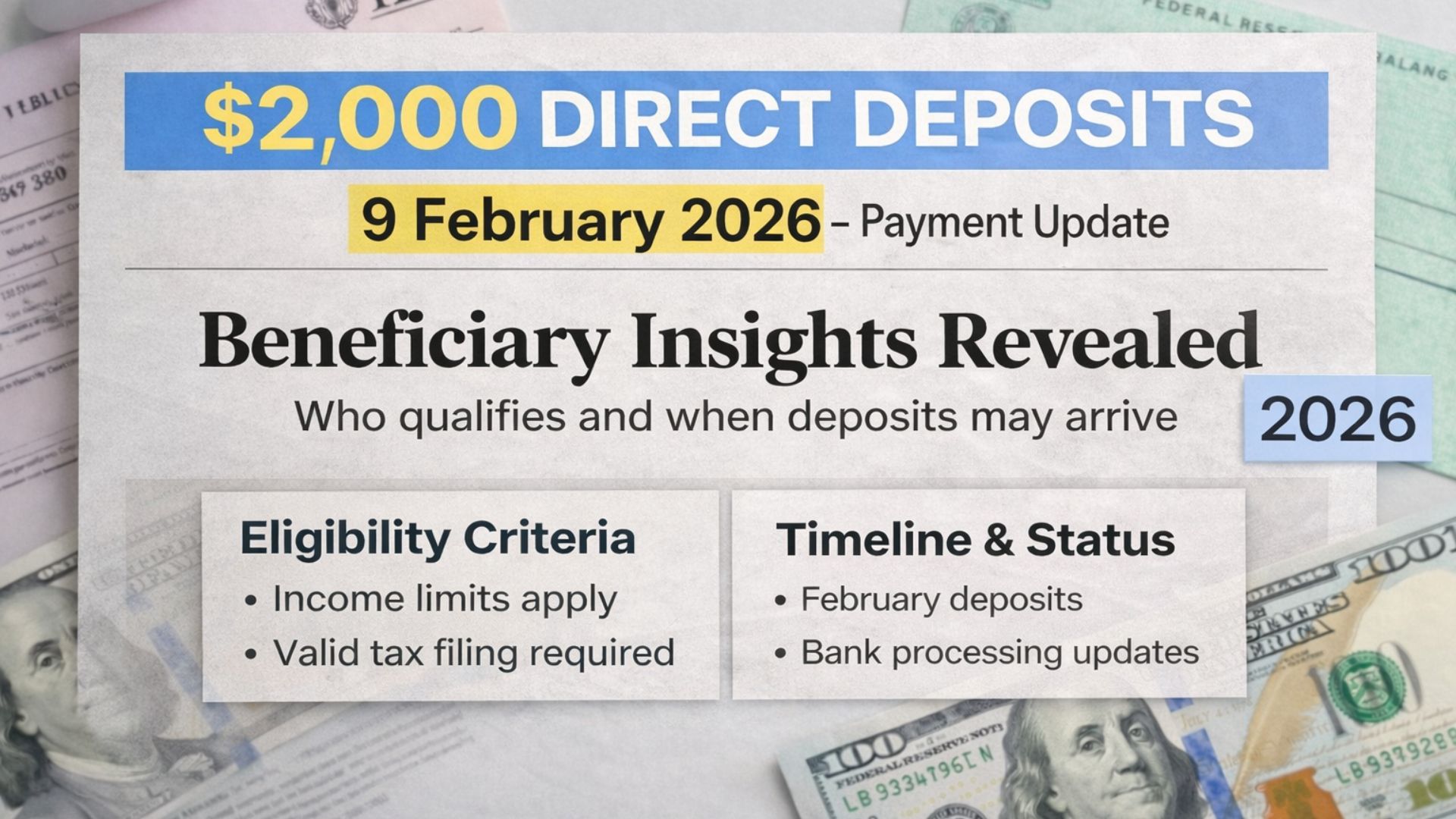
Tax refunds are an important source of financial support for millions of Americans each year. As the 2026 tax season approaches, many people are preparing to file their federal income tax returns and are eager to know when their IRS refund may arrive. Although the Internal Revenue Service does not provide fixed refund dates for every taxpayer, past patterns and official guidelines offer a clear idea of how refund timing usually works. Knowing these timelines can help reduce uncertainty and allow better financial planning.
How the IRS Processes Tax Returns
Once a tax return is submitted, the IRS begins reviewing the information to confirm income, credits, and deductions. The speed of this process depends on how the return is filed and whether the details are accurate. Electronic filing is usually processed faster because it reduces manual work and errors. Paper returns take longer since they must be handled and reviewed by hand. Choosing direct deposit instead of a mailed check also shortens the waiting time, as bank deposits are faster than postal delivery.
Important IRS Refund Dates for 2026
For the 2025 tax year, the IRS will begin accepting tax returns on January 26, 2026. This marks the official start of the filing season. For most people who file electronically and use direct deposit, refunds are typically issued within about 21 days after acceptance. Simple and error-free returns may be processed even sooner. However, refunds that include credits such as the Earned Income Tax Credit or the Additional Child Tax Credit are legally delayed until at least mid-February, with most payments arriving by late February.

Expected Refund Timing Patterns
Taxpayers who file in late January often see refunds arrive in early to mid-February. Returns submitted in early February usually receive refunds by mid to late February. Those filing later in February may receive their refunds in late February or early March. Returns filed after the April 15 deadline are normally processed within a few weeks, assuming no issues are found.
Reasons Refunds May Be Delayed
Refund delays are often caused by common issues. Filing a paper return, claiming refundable credits, or having errors in personal or income details can slow processing. Identity verification requests also pause refunds until the taxpayer responds. Mismatches between tax returns and employer records may trigger additional review, extending the wait.
Ways to Receive Your Refund Faster
Filing electronically and selecting direct deposit remain the most reliable ways to receive a refund quickly. Carefully reviewing all information before submitting a return reduces the risk of mistakes. Creating an IRS online account allows taxpayers to track refund progress and respond quickly if the IRS needs more information.

Planning Around Your Refund
While refunds are helpful, exact deposit dates cannot be guaranteed. Treating a refund as expected but not fixed income helps reduce stress. Using official IRS tools such as “Where’s My Refund?” provides the most accurate updates during the waiting period.
Disclaimer
This article is for informational purposes only and does not provide tax, legal, or financial advice. IRS rules, refund timelines, and procedures may change, and individual circumstances vary. Taxpayers should refer to the official IRS website or consult a qualified tax professional for personalized guidance.