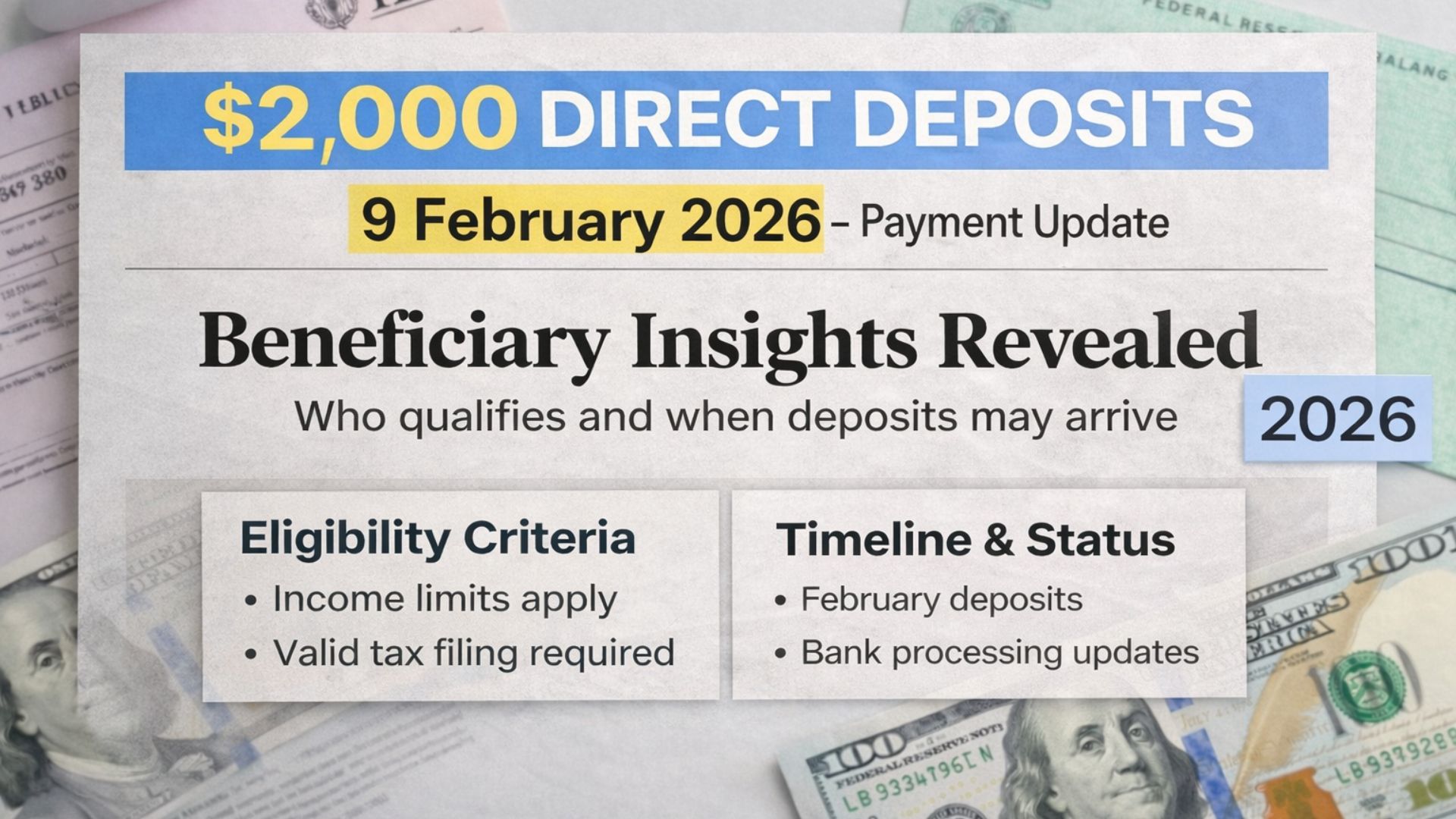
As 2026 begins, many American households are paying close attention to reports about a one-time $2,000 direct deposit being issued by the IRS. With everyday costs such as groceries, rent, utilities, and winter heating still placing pressure on budgets, any additional financial support feels significant. This payment is described as targeted relief meant to help families manage rising expenses at the start of the year and is separate from regular tax refunds.
Understanding the $2,000 IRS Direct Deposit
The January 2026 IRS $2,000 direct deposit is presented as a one-time federal relief payment. It is not a loan and does not need to be repaid. Unlike a tax refund, which depends on how much tax was overpaid, this payment is designed as direct financial support. Its purpose is to provide short-term stability for households dealing with higher living costs rather than to adjust tax balances.
Why the Payment Is Being Issued
January is often one of the most difficult financial months for families. Holiday spending, higher heating bills, and regular monthly expenses can combine to strain household budgets. The $2,000 payment is intended to ease this pressure by offering a financial cushion when many families need it most.

Who May Qualify for the Payment
Eligibility is based mainly on income, filing status, and residency. The program focuses on low- to middle-income individuals and families. Income limits vary depending on whether someone files as a single taxpayer or as a married couple. Families with dependents generally qualify at higher income levels. A valid Social Security number and U.S. residency are required. The IRS uses recent tax returns from 2024 or 2025 to determine eligibility.
How the IRS Verifies Eligibility
The IRS checks existing tax records to confirm income, filing status, and dependent information. Most eligible people do not need to submit additional forms. However, outdated or incorrect information can slow the process. Reviewing personal details through official IRS tools helps prevent delays.
Payment Timing and Delivery Method
Payments are expected to be sent in phases during January 2026. Those with direct deposit information on file usually receive funds first. Others may receive their payment later by paper check or prepaid debit card. Delivery timing can vary based on bank processing or mail service.
Steps to Avoid Missing the Payment
To reduce the risk of delays, taxpayers should confirm that their address and banking details are correct. Those who have not filed a recent tax return may want to file, even if income is low, to ensure they are included in IRS records. Relying on official IRS updates rather than social media helps avoid confusion.
How Families May Use the Payment
For many households, $2,000 can help cover essential expenses such as rent, utilities, groceries, or medical bills. Others may use it to pay down debt or rebuild emergency savings. While it does not solve long-term financial challenges, it can provide short-term relief and reduce stress.
Disclaimer
This article is for informational purposes only and does not provide financial, legal, or tax advice. Payment eligibility, amounts, and timelines may change based on official IRS guidance. Readers should consult the Internal Revenue Service or a qualified professional for advice related to their individual situation.